Back to Projects
Project
"HiveLink", the most flexible beehive monitor on the market
Project Goals
To produce an affordable open source beehive monitor that can measure, store, and send temp/hum/CO2/sound data
Description
HiveLink, The Most Flexible Beehive Monitor on the Market
HiveLink is a fully open-source beehive monitoring system designed for beekeepers who want real data from their hives without being locked into a single ecosystem. Both the PCB and the software are open source, so you're free to build, modify, and adapt it to your needs.
What it monitors
HiveLink tracks the vital signs of your hive: sound (a key indicator of colony health and swarming behavior), CO₂, humidity, and temperature. When configured with a SIM, it also reports its own location, so if a hive or device is stolen, you can track it down.
Why monitoring matters
A healthy hive is a finely tuned environment, and small changes often signal big events long before you'd spot them by opening the lid. Monitoring lets you catch problems early, intervene less invasively, and learn what "normal" actually looks like for your specific colonies.
- Sound is one of the most powerful early-warning signals in beekeeping. The pitch and intensity of a colony's hum changes before swarming, when the queen is lost, during robbing, and when the colony is stressed. Listening continuously catches things a weekly inspection never will.
- Temperature inside the brood nest is held remarkably steady at around 34 to 35 °C when the colony is healthy. Drift outside that range can indicate a failing queen, brood disease, absconding, or a colony that's too weak to thermoregulate.
- Humidity affects everything from brood development to nectar curing to the spread of pathogens like chalkbrood and Nosema. Tracking it helps you understand ventilation and seasonal moisture issues before they damage the colony.
- CO₂ levels reflect colony activity, population size, and ventilation. Sudden changes can point to overcrowding, blocked entrances, or shifts in colony behavior, and long-term trends give you a window into colony strength across the seasons.
- Location tracking matters because hive theft is a real and growing problem, especially for commercial operations and rare or productive colonies. Knowing where your hive is, and getting alerted if it moves, protects both your investment and your bees.
Beyond individual hives, every monitored colony adds to a bigger picture. Long-term data helps beekeepers, researchers, and the wider community understand how bees respond to climate, pesticides, forage availability, and disease. These are questions that matter well beyond any single apiary.
Power your way
Whether your hives are in a remote field or next to a workshop or home, HiveLink fits your setup:
- Solar with battery bank, for off-grid apiaries
- USB-C direct power, plug it in wherever mains power is available
- Battery pack, we're designing an accompanying custom battery pack, aiming for a full year of life on a single pack
Send data your way
This is where HiveLink really stands apart. Each mode comes with its own strengths. Pick the one that fits how you work, or mix and match across hives.
1. Local mode The device hosts its own Wi-Fi network. Connect directly with your phone or laptop to view live and historical data, with no internet, no SIM, and no cloud required.
- Fully offline; nothing ever leaves the device
- Live readings and on-device historical logging
- Works anywhere in the world, no signal needed
- Perfect for remote apiaries or privacy-conscious beekeepers
2. SIM + custom API Use a cheap IoT SIM to push data packets to whatever platform or software you like, via a fully documented API.
- Send data to your own server, dashboard, or third-party service
- Full API documentation so you can build whatever you want on top
- Ideal for self-hosters, developers, and researchers running custom pipelines
- Compatible with tools like InfluxDB, Grafana, MQTT brokers, and more
3. SIM direct to Evocultiva.org Send your data straight to our platform to view, store, and analyse it.
- Push notifications direct to your phone for swarm alerts, temperature drops, theft warnings, and more
- Clean web dashboard with historical graphs and side-by-side hive comparison
- Multi-hive and multi-apiary management from one account
- Configurable alert thresholds so you only hear about what matters
- Your data contributes (anonymously) to open-source beehive research, and we will never sell it
4. Home Assistant integration Connects via ESPHome, so HiveLink slots straight into your smart home setup.
- Native sensor entities for sound, CO₂, humidity, and temperature
- Build automations: trigger notifications, log to your own database, flash a light when something's off
- Combine hive data with weather, cameras, or other sensors in one dashboard
- Fully local, no cloud dependency
Plug and play, or fully self-hosted
HiveLink is built for both ends of the spectrum. If you just want it to work, plug it in, point it at Evocultiva.org, and you're up and running in minutes. If you care about data privacy and want full control, you can run everything locally or self-host the backend on your own infrastructure, so your data never has to leave your network. The choice is yours, and switching between modes doesn't require new hardware.
Open source, by design
The schematics, PCB files, and firmware are all publicly available. Build one yourself, contribute improvements, or fork it for your own project. HiveLink exists because beekeeping deserves tools that beekeepers actually own.
Project Updates
11
Jun
2026
2026
First Presentation to Apidena: Honest Feedback, Clearer Path
Today I presented HiveLink to Apidena, and I want to share the results honestly, because they were mixed, and I think that's worth talking about.
First, the good. The meeting itself was warm and welcoming. We sat down together, I presented the project, and nobody disliked it or dismissed it. I came away with a much clearer picture of where HiveLink stands, what my real roadblocks are, and, importantly, where my genuine advantages over the competition lie.
Now the honest part. There's a real "device fatigue" among members. Many have tried similar monitoring products before (in my opinion, inferior ones), and they've been burned by how poorly those devices stand up to propolis. Bees coat everything, and a sensor that can't survive that environment is a sensor that gets abandoned in a drawer. The message was clear: the case needs a redesign, and it needs to be built around how bees actually treat the things you put in their home. I now have a much better idea of how the enclosure should look and work, and that alone made the meeting worth it.
There were also two harder lessons. The first is funding: I can't rely on the association to find financing for the project. That responsibility is mine, and I need to build a funding plan accordingly. The second is a more fundamental difference of vision. Apidena didn't see much value in sharing aggregated data across associations. I still believe collective, anonymised data is one of the most powerful things this project can offer the beekeeping community in the long run, but I clearly have work to do in making that case, or in proving it with results first.
So where does that leave HiveLink? With more responsibility on my shoulders, a case redesign ahead of me, and some thinking to do about next steps. But also with a project that survived first contact with real, sceptical beekeepers, and a much sharper idea of what it needs to become.
First, the good. The meeting itself was warm and welcoming. We sat down together, I presented the project, and nobody disliked it or dismissed it. I came away with a much clearer picture of where HiveLink stands, what my real roadblocks are, and, importantly, where my genuine advantages over the competition lie.
Now the honest part. There's a real "device fatigue" among members. Many have tried similar monitoring products before (in my opinion, inferior ones), and they've been burned by how poorly those devices stand up to propolis. Bees coat everything, and a sensor that can't survive that environment is a sensor that gets abandoned in a drawer. The message was clear: the case needs a redesign, and it needs to be built around how bees actually treat the things you put in their home. I now have a much better idea of how the enclosure should look and work, and that alone made the meeting worth it.
There were also two harder lessons. The first is funding: I can't rely on the association to find financing for the project. That responsibility is mine, and I need to build a funding plan accordingly. The second is a more fundamental difference of vision. Apidena didn't see much value in sharing aggregated data across associations. I still believe collective, anonymised data is one of the most powerful things this project can offer the beekeeping community in the long run, but I clearly have work to do in making that case, or in proving it with results first.
So where does that leave HiveLink? With more responsibility on my shoulders, a case redesign ahead of me, and some thinking to do about next steps. But also with a project that survived first contact with real, sceptical beekeepers, and a much sharper idea of what it needs to become.
8
Jun
2026
2026
What's Next for HiveLink: Scales, Counters, Frame Analysis & More on the Storyboard
We're deep in the storyboarding phase for the next generation of HiveLink features, and we wanted to share what's taking shape on the drawing board — even before a single line of code is written. This isn't a release announcement; it's an honest look at where we want to take the platform and the hardware.
Hive Scales We're designing support for hive weight scales that track the total mass of the hive over time. Weight is one of the most telling metrics in beekeeping — it shows you nectar flows in real time, tells you when stores are dangerously low heading into winter, and can even hint at swarm events through sudden drops. We want to log this continuously and plot it against weather and seasonal data in the platform so patterns become obvious at a glance.
Bee Counter We're working through the best approach for an entrance bee counter — monitoring the flow of bees in and out of the hive. This kind of data is a strong proxy for colony activity and foraging health. The challenge is doing it reliably and affordably. We're evaluating optical and infrared sensor approaches, and we'll share more once we've landed on a solution that works in real-world hive conditions. If you have experience with this, we'd love to hear from you.
Hive Frame Analysis This one is ambitious and we think genuinely exciting. The idea is that you take a photo of a frame during an inspection — and the system gives you a reading. Brood pattern, capped honey, pollen stores, signs of disease — analysed and logged automatically. Beyond saving time, this creates a verifiable inspection record that can be shared with your beekeeping association, which is increasingly important for health monitoring schemes. It also means you can review frame condition at home, not just in the field.
Also on the board:
As always, the hardware schematics, firmware, and platform code are open source. If any of these features interest you enough to contribute, the door is wide open.
Hive Scales We're designing support for hive weight scales that track the total mass of the hive over time. Weight is one of the most telling metrics in beekeeping — it shows you nectar flows in real time, tells you when stores are dangerously low heading into winter, and can even hint at swarm events through sudden drops. We want to log this continuously and plot it against weather and seasonal data in the platform so patterns become obvious at a glance.
Bee Counter We're working through the best approach for an entrance bee counter — monitoring the flow of bees in and out of the hive. This kind of data is a strong proxy for colony activity and foraging health. The challenge is doing it reliably and affordably. We're evaluating optical and infrared sensor approaches, and we'll share more once we've landed on a solution that works in real-world hive conditions. If you have experience with this, we'd love to hear from you.
Hive Frame Analysis This one is ambitious and we think genuinely exciting. The idea is that you take a photo of a frame during an inspection — and the system gives you a reading. Brood pattern, capped honey, pollen stores, signs of disease — analysed and logged automatically. Beyond saving time, this creates a verifiable inspection record that can be shared with your beekeeping association, which is increasingly important for health monitoring schemes. It also means you can review frame condition at home, not just in the field.
Also on the board:
- Varroa wash counter assist — photo-based counting support to reduce the tediousness of alcohol wash mite counts and improve accuracy
- Swarm prediction model — combining weight, sound, and temperature trends to flag elevated swarm probability before it happens
- Seasonal hive reports — auto-generated summaries at the end of spring, summer, and winter with AI-assisted interpretation of your hive's data over the period
- Association data export — a one-click export in formats accepted by Spanish beekeeping associations, making regulatory reporting far less painful
As always, the hardware schematics, firmware, and platform code are open source. If any of these features interest you enough to contribute, the door is wide open.
8
Jun
2026
2026
We've changed the goal post
We are pleased to share a significant update to the HiveLink platform, bringing meaningful improvements across data readability, hive management, connectivity, and collaborative tools for associations and cooperatives.
Data & Charts We have overhauled the readability of all hive data visualisations. Charts and dashboards are now clearer and easier to interpret at a glance.
Queen Record-Keeping One of our most exciting additions is a dedicated queen tracking system. Beekeepers can now record the genetic lineage and quality of each queen directly on the platform, drawing from timestamped notes, sensor data, and hive performance metrics, all consolidated on a single data sheet. This creates a credible, tamper-evident record: if a hive has a poor history with Varroa, that queen's resistance profile reflects it. Because every entry is timestamped and system-recorded, histories cannot be falsified, making this a powerful tool for moments of sale and genetic selection alike.
New Sensor & Environmental Features
— Push notifications are now live for our PWA, delivering hive alerts directly to your phone.
— Device settings can now be updated remotely from the website and sync directly to the device no physical configuration required. This includes the choice between recording raw audio or wavelength-only data, giving beekeepers control over data volume and IoT card costs.
— Two additional humidity metrics are now calculated from the RH sensor: Absolute Humidity and Dew Point.
— Habitat Scoring evaluates the environment around each hive using the latest available satellite imagery, scoring the area based on forest cover, agricultural land, industrial proximity, and more.
Association & Cooperative Tools HiveLink is expanding its focus to serve associations and cooperatives as first-class users. Beekeepers can now register with their association directly on the platform, allowing their data to be automatically collected and contributed at scale.
Associations gain access to an aggregated, anonymised view of member data including heat maps of reported disease outbreaks, strong harvest zones, and high hive scores. This enables associations to predict, prevent, and respond to disease with greater speed and precision.
Online hive diaries shared with an association also make remote diagnostics easier: when a beekeeper raises an issue, the association can review a structured digital history instead of relying on handwritten notes in person.
Data & Charts We have overhauled the readability of all hive data visualisations. Charts and dashboards are now clearer and easier to interpret at a glance.
Queen Record-Keeping One of our most exciting additions is a dedicated queen tracking system. Beekeepers can now record the genetic lineage and quality of each queen directly on the platform, drawing from timestamped notes, sensor data, and hive performance metrics, all consolidated on a single data sheet. This creates a credible, tamper-evident record: if a hive has a poor history with Varroa, that queen's resistance profile reflects it. Because every entry is timestamped and system-recorded, histories cannot be falsified, making this a powerful tool for moments of sale and genetic selection alike.
New Sensor & Environmental Features
— Push notifications are now live for our PWA, delivering hive alerts directly to your phone.
— Device settings can now be updated remotely from the website and sync directly to the device no physical configuration required. This includes the choice between recording raw audio or wavelength-only data, giving beekeepers control over data volume and IoT card costs.
— Two additional humidity metrics are now calculated from the RH sensor: Absolute Humidity and Dew Point.
— Habitat Scoring evaluates the environment around each hive using the latest available satellite imagery, scoring the area based on forest cover, agricultural land, industrial proximity, and more.
Association & Cooperative Tools HiveLink is expanding its focus to serve associations and cooperatives as first-class users. Beekeepers can now register with their association directly on the platform, allowing their data to be automatically collected and contributed at scale.
Associations gain access to an aggregated, anonymised view of member data including heat maps of reported disease outbreaks, strong harvest zones, and high hive scores. This enables associations to predict, prevent, and respond to disease with greater speed and precision.
Online hive diaries shared with an association also make remote diagnostics easier: when a beekeeper raises an issue, the association can review a structured digital history instead of relying on handwritten notes in person.
28
Apr
2026
2026
Device Management & Live Data Monitoring
This update introduces core functionality for connecting and monitoring beehive devices through the website. Users can now add and register their devices directly from their account, making setup quick and straightforward. We've also built out the API to handle device communication and launched the data monitoring view on the website, allowing users to visualize real-time information from their hives in one centralized place.
22
Apr
2026
2026
1st board prototype
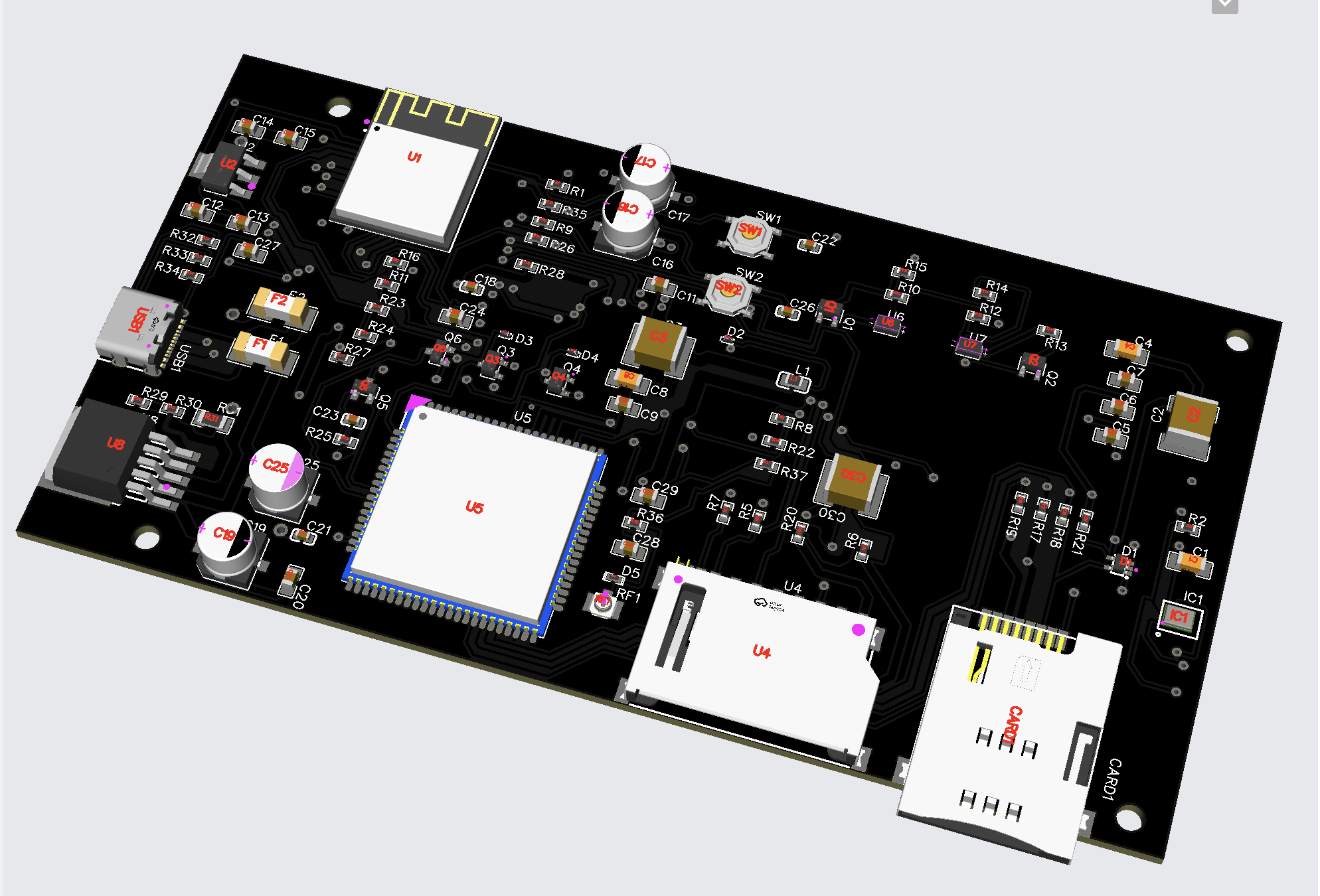
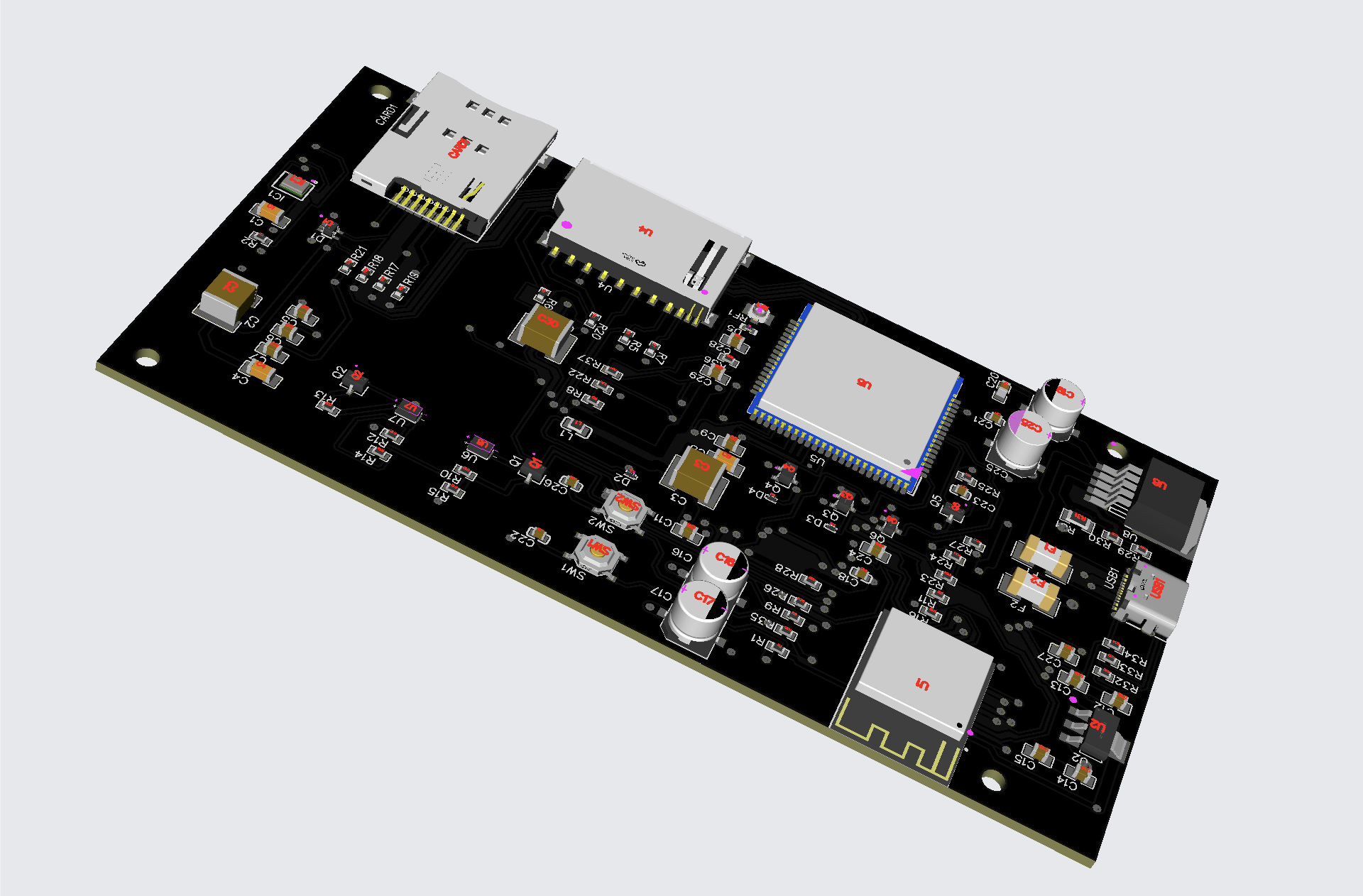
Here we go with another PCB project! This time I've skipped the Arduino breadboarding phase and jumped directly into PCB designing. With a little help from a Colombian freelancer named Cristian I managed to put together a decent prototype that should be pretty power efficient and (god willing) safe to use. I am a bit miffed on the cost of the components but sometimes life is not about cost cutting. Where possible I will try to make this as economical as I can, but for now it's about getting a functioning machine.
I probably won't order the PCB until end of May start of June, when I do I will program it and give you more updates on the project then.
I probably won't order the PCB until end of May start of June, when I do I will program it and give you more updates on the project then.